Plumbing emergencies do not make appointments. They show up at 2 a.m. with a ruptured pipe, or during a family dinner when the kitchen sink decides to back up and flood the cabinets. The difference between a stressful night and real, lasting damage usually comes down to two things: what you do in the first five minutes and whether you call the right professional at the right time. After years of repairing broken lines, replacing failed shut-off valves, and remediating water damage that started as a tiny drip, I have learned that quick decisions and calm steps are your best tools.
What counts as a plumbing emergency
The obvious cases fall into the red zone. A burst pipe that is spraying, a sewer backup that rises from a floor drain, or a water heater that starts leaking from the tank belongs in the emergency bucket. Less obvious, but just as urgent, are a slow ceiling drip under a bathroom, a persistent sulfur smell near a floor drain, or water that feels scalding hot at normal settings. If something threatens safety, structural integrity, or essential service, treat it as an emergency.
Severity often hides behind finishes. I have opened kitchen soffits to find a pinhole leak that had been misting into fiberglass for weeks, growing mold and staining joists. There was no dramatic gush, just a faint line on the drywall. By the time the ceiling sagged, remediation cost more than a new set of cabinets. If you see cracks in tile grout that darken after a shower or a baseboard that cups near a vanity, assume water has a head start.
The first five minutes: what you should do immediately
When water is flowing, seconds matter. People freeze or rush to fetch towels. Towels help, but they should not come first. Here is the sequence that experienced homeowners use in those first moments:
- Stop the water at the source if it is obvious and safe to reach. Angle stops beneath sinks and toilets turn clockwise to close. If they are stuck, do not force them with pliers, you can snap the stem and make it worse. If you cannot stop it locally, go straight to the main water shut-off. It is usually near the water meter, often in a utility room or basement. Turn the valve clockwise a quarter turn if it is a ball valve with a lever, or multiple turns if it is a gate valve with a round handle. Kill power to any area where water is encroaching on outlets or appliances. Use the breaker panel, not the appliance switch. If you see sparking, hear buzzing, or smell burning, leave the area and wait for help. Open a faucet on the lowest level to relieve pressure and help drain the lines. That buys time and reduces spray when a pipe has split. Contain and protect. Move rugs and furniture, lay down pans or a plastic bin to catch drips, and pull back curtains or soft goods. Photograph damage as you go for insurance.
With the immediate risk controlled, you can think clearly about next steps. The mistake I see most often is spending half an hour hunting tools or testing DIY fixes while water continues to migrate into subfloors and wall cavities. Shut off and stabilize first, then decide whether to pick up a wrench or a phone.
When you can safely DIY, and when to step back
Not every leak needs an emergency call. Replacing a toilet flapper that lets a tank run, tightening a P-trap slip nut under a sink, or swapping a braided supply line are reasonable DIY tasks if you have basic tools and the water is off. Temporary patches can save the day. A wrap of silicone repair tape or a push-to-connect cap on a broken copper stub can buy 24 to 48 hours.
Know your limits. Soldering near combustible framing is a skill with risk. Cutting cast iron with an angle grinder sends sparks and metal dust everywhere. Working on a gas water heater flue without understanding backdraft can put carbon monoxide in your home. If your fix involves open flame, pressurized gas, excavation, or anything that connects to a sewer stack, step back. Those jobs belong to a licensed pro.
I also caution against the wrong chemical. Drain cleaners make tempting quick fixes for a sluggish sink, but caustics can soften PVC and crack older metal traps. I have replaced more than one trap that failed after repeated chemical treatments. A mechanical snake or a wet vacuum applied to a trap arm is safer and often more effective.
The leaks that look small but are not
A quarter cup per hour seems like nothing until it runs all night behind painted drywall. Here are scenarios where a slow leak deserves urgent attention: a ceiling drip beneath a second-floor bathroom, a wet line spreading along a baseboard, or a damp closet adjacent to a shower pan. These patterns usually signal a failed seal or a hairline split in supply tubing, not condensation.
I once traced a faint coffee-colored spot on a dining room ceiling back to a cracked grout joint at the lip of a second-floor shower. The underlying cement board was dry, but a tiny channel let water crawl along the shower threshold and down a stud bay. The homeowner waited a month, thinking it would dry. That delay allowed the stain to expand in a ring, and the plaster needed replacement. A dab of silicone and a bead of fresh grout would have been a 30-minute repair if caught early. The lesson is simple, discoloration around a fixture is not cosmetic. Investigate the same day.
Burst pipes in winter: how to minimize damage before help arrives
When temperatures plunge, uninsulated pipes in exterior walls or crawl spaces freeze and split. You hear it when the thaw comes. A hiss, then a patter that becomes a stream. If you suspect a freeze, keep cabinet doors under sinks open on cold nights and run a thin stream of water, the movement helps. If a pipe bursts, shut the main valve, then open both hot and cold faucets to relieve line pressure. Turn off the water heater breaker on an electric unit, or set a gas unit to pilot, to prevent damage when lines are dry.
Do not reach for a torch on a frozen line. Gentle heat from a hair dryer works on accessible sections. Start on the tap side of the freeze so expanding water has somewhere to go. Inspect for bulges that look like a snake swallowed a mouse. These swollen sections often split once they thaw. Wrap them with rags to catch water and place a bucket if you must re-pressurize briefly to locate the break for a pro.
Sewer backups: warning signs and safer responses
Wastewater is a health hazard. When a toilet gurgles as a washing machine drains, or multiple fixtures on the lowest level are slow at the same time, you likely have a main line obstruction. Tree roots, collapsed clay tiles, or a grease plug at the street connection cause these symptoms. A single blocked sink that does not affect other fixtures is usually a local clog, not a main issue.
If sewage rises from a floor drain, prevent additional water use in the home. Stop dishwashers and laundry, cap any floor drain with a test plug if you have one, and move valuables off the floor. Do not run a snake from a fixture into a suspected main line if you are not familiar with the system. Pushing blindly can punch through a brittle segment and complicate the repair. A camera inspection tells the real story and informs whether you need descaling, a hydro-jet, or excavation.
Water heater leaks and noises you should not ignore
A small drip at the temperature and pressure relief valve could be a bad valve, or it could be the system doing its job because pressure is too high. Check for an expansion tank on your cold supply line. If the tank has failed, it will feel heavy and waterlogged or completely light, both bad signs. High pressure stresses valves and your heater. Most homes should sit around 50 to 60 psi. Anything over 80 psi calls for a pressure reducing valve.
If the tank itself has started to leak at the seam, the unit is at end of life. No amount of tightening will fix a rust hole. For gas units, a rotten egg smell indicates a gas leak, not the usual anode rod odor. Do not relight a pilot if you smell gas. Shut off the gas valve, ventilate, and bring in a professional. I have also seen electric units trip a breaker because water reached the element housing. That is an urgent call, not a DIY element swap.
How Revive 360 Renovations stabilizes a water emergency
On restoration calls, our first focus at Revive 360 Renovations is stabilization. The best plumbers handle the fix at the pipe. We manage the aftermath that makes or breaks the total loss. That means extracting standing water within the first 4 to 12 hours, removing baseboards or toe kicks that trap moisture, and venting cavities with low-grain dehumidifiers. If we arrive to a kitchen backup, for example, we will often pop the kick plates under cabinets to pull damp insulation and direct air right where it needs to go. That habit often saves cabinet boxes that would otherwise swell and delaminate.
We also map moisture with a pin meter and an infrared camera. If readings stay elevated behind a painted wall, we cut small flood cuts at the base to remove saturated drywall and let studs breathe. Many homeowners want to save the wall intact, but trapped moisture is food for mold. A narrow cut today saves a full demo in a month. Insurance adjusters tend to agree when you can show moisture logs that prove the drying plan.
Revive 360 Renovations and the handoff to licensed plumbers
We are not a plumbing contractor. We work alongside them when emergency cleanup intersects with repair and rebuild. That partnership matters. When a supply line lets go behind a vanity, a plumber will cap or replace the line. Revive 360 Renovations coordinates to protect the finish materials and preserve reference points for reinstallation. We photograph cabinet shims, label vanity parts, and mark stud locations before drywall goes back in. Those small steps shorten the punch list once the plumbing is rebuilt and the walls are closed.
On sewer backups, timing is even more critical. Category 3 water requires containment and removal of porous materials. We isolate the work area with negative air and plan a safe pathway for debris so dirty water does not smear through the home. Once the plumber clears the line, we sanitize the affected area, cut out contaminated carpet pads, and prepare the space for reconstruction. Homeowners often ask, can we just clean the carpet and move on? If sewage touched the pad, the answer is no. Replace it. A good restorer prevents a second loss by not cutting corners on materials that cannot be sanitized deep enough.
When to call a plumber right now
It helps to draw a bright line for the moments when waiting does damage. If any of these apply, treat it as an immediate call, not a next-day project:
- Active leak you cannot stop at a fixture or valve, or a main shut-off that does not close fully. Sewage backup at the lowest level or multiple fixtures draining poorly at once. Water heater leaking from the tank, smelling like gas near the heater, or scalding water at normal settings. No water to the house after a freeze, visible pipe bulges, or a split line after thaw. Continuous water meter movement when all fixtures are off, which suggests a hidden leak.
In each case, your first steps matter just as much as the call. Shut water, protect power, document, and then reach for the phone. If the meter is spinning with every faucet closed, look at your irrigation system and the pipe run to the street. Outdoor leaks turn basements into reservoirs, and they often go unseen until the utility bill doubles.
Avoid common mistakes that make emergencies worse
I keep a short mental list of well meaning moves that backfire. Over-tightening supply line connections with a wrench often cracks the ferrule or deforms the rubber gasket. Hand tight plus a quarter turn usually seals a braided line. Using Teflon tape on compression fittings is another classic error. Compression joints seal at the ferrule, not at threads. The tape can prevent proper seating and create a path for leaks.
Another pitfall is reinstalling a toilet on an old wax ring after a clog. If a plunger session lifts the bowl even slightly, replace the wax ring. It is a $5 part that prevents a very messy leak. And if you use a drain snake in a tub, remove the overflow cover and go through the overflow, not the strainer, to avoid scarring a visible finish.
Kitchens, remodels, and why plumbing planning prevents emergencies
Many emergencies start with a renovation shortcut. I have seen kitchen islands with undersized supply lines feeding pot fillers and instant hot taps that sputter and hammer because the remodeler piggybacked off a distant half-inch run. On the flip side, the best kitchen island design pays attention to plumbing layout, venting routes, and the realities of slab penetrations. Future you will not want to break into a finished floor to fix a clogged island vent line.
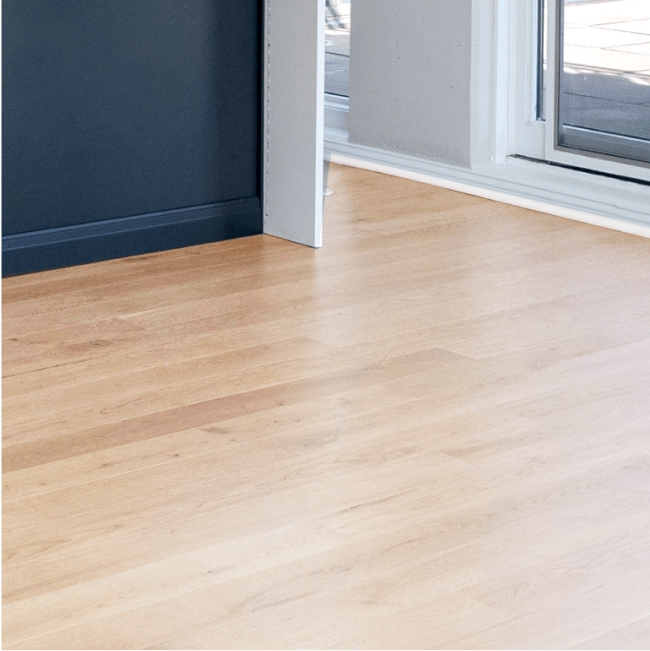
When clients plan upgrades, especially in older Chicago homes with original galvanized supply lines, we often talk about the ROI of doing plumbing upgrades during a kitchen or bath project. While you compare options like The Best Bathroom Flooring Options for Moisture and Durability, consider the hidden system under that floor. Replacing brittle lines while your subfloor is open costs less than an emergency tear-out six months later. Pairing a complete bathroom remodel with vent stack updates and proper shut-offs pays back immediately in reliability.
The intersection with restoration, cabinets, and finishes
Water does not respect your new cabinet finish. After a dishwasher supply hose bursts, the toe kick soaks first, then the cabinet boxes wick water up through the particleboard. If you catch it within a few hours, we can often save painted boxes and doors. Drying works better on solid wood than on particleboard, which swells and flakes. Homeowners ask about Kitchen Cabinet Painting vs. Replacement after a loss. Paint can unify a set with slight swelling, but if the substrate has puffed at the edges, replacement or refacing makes more sense. It is the same logic we apply to flooring. Hardwood vs. Engineered Wood performs differently in a flood. Solid hardwood can be dried and sanded if cupping is mild. Some engineered products delaminate beyond repair.
Countertops present their own issues. Stone handles water well, but seams at sinks and dishwashers are vulnerable. A modern composite like Thinscape Countertops resists moisture and heat, but you still need a properly sealed sink cutout. I have reseated more than one undermount that dropped after repeated wetting and a failed clip.
Documenting for insurance without slowing the response
Take wide shots, then close-ups that show water lines and damaged finishes. Photograph the meter if it is spinning. Keep receipts for any immediate materials you buy, such as a shop vacuum or dehumidifier rental. Insurers often reimburse reasonable emergency expenses that reduce further damage. Do not throw out cut materials until an adjuster sees them, unless a health risk dictates removal. Revive 360 Renovations keeps a log of daily moisture readings and equipment run times for this reason. It shortens claim review and helps justify the scope of work.
Building a home plumbing playbook
Prepared homeowners keep a short list near the panel or main shut-off. It starts with the main water valve location and notes for oddball fixtures, like the saddle valve that feeds your fridge or the irrigation controller shut-off. Mark valves https://www.reviverenovations.com/ with tags so anyone in the house can shut them. If you live in a multi-unit building, learn where the building shut-off is and what the protocol is for after-hours emergencies. Your association may require you to notify management before you touch a riser.
Label your water heater breaker and the electrical circuits near wet zones. Tape a plastic sheet and painter’s tape inside a utility closet to build a quick drip catch if you need it. A few push-to-connect caps in a small kit can make the difference between a long night and a manageable morning.
Trade-offs: speed versus thoroughness
There is a tension in emergency work. You want to restore service quickly, but you do not want to bury a problem behind fresh drywall. I have watched rushed rebuilds trap moisture that later bloomed mold behind cabinets. The right balance is staged. Fix the source and stabilize fast. Then pause for measured drying with documented progress. Only close walls when moisture falls to baseline. It takes a day or two longer, but it avoids weeks of rework.
The same thinking applies to choosing materials when rebuilding after a loss. In a basement that has flooded twice, choosing tile over carpet in a high-traffic area makes sense. You will find plenty of Tile Flooring Patterns That Elevate Your Home's Style, but the practical win is durability and easy cleanup if an appliance leaks. In a small bath, a walk-in shower with a properly sloped pan and continuous waterproofing reduces leak risk versus a tub with aging caulk. Trends are great. Reliability is better.
A short, realistic emergency kit
You do not need a pro’s truck. A homeowner kit that fits in a small tote can prevent a disaster from spreading:
- Adjustable wrench, channel-lock pliers, and a quality screwdriver set. Silicone repair tape, a couple of push-to-connect caps, and spare braided supply lines. Headlamp, plastic sheeting, painter’s tape, and a stack of old towels. A compact wet/dry vacuum with a squeegee floor attachment. Moisture meter and a thermometer hygrometer to track drying.
Use the kit for stabilization, not for ambitious repairs. The goal is to create breathing room for a proper fix and to protect finishes you care about.
What seasoned pros wish every homeowner knew
Three habits would prevent most of the 2 a.m. calls I get. First, exercise your valves twice a year. Turn them off and on to keep stems from seizing. Replace any that do not seat fully. Second, replace rubber washer supply lines with braided stainless, especially on toilets and washing machines. A $15 line saves thousands in water damage. Third, keep your water pressure in check. A simple gauge at an exterior spigot tells the story. If you are over 80 psi, install or service a pressure reducing valve. High pressure causes hammer, stresses hoses, and shortens fixture life.
Behind those habits is a mindset. Small changes upstream prevent big emergencies downstream. Whether you are planning a Modern Kitchen Design for a Small Space or weighing the Pros and Cons of Open Shelving, include the invisible plumbing in your planning. Think shut-offs within reach, venting that meets code, materials that tolerate occasional splashes, and finishes that can be removed without destroying the adjacent wall.

Where Revive 360 Renovations fits after the emergency
Once the pipe is fixed and the noise in the walls stops, you still have work to do. Drying, cleaning, and rebuilding require a steady hand. Revive 360 Renovations steps in to eliminate residual moisture, mitigate mold risks, and return spaces to pre-loss condition with an eye for integration. If we remove a section of plaster in a 1920s home, we match the lath pattern and thickness, not just the paint color. If we reinstall baseboards in a kitchen, we seal cut ends and caulk gaps so the next spill does not wick into seams. The point is not just to make it look right, but to make it endure.
We also coordinate with your planned upgrades. If you were already considering How to Maintain Your Home's Plumbing System or thinking about Bathroom Ventilation improvements, we fold those into the rebuild while walls are open. That approach turns a bad night into a smarter house.
The bottom line on calling a professional
Call immediately when water or waste is moving and you cannot stop it at a localized valve, when electrical safety is in question, or when a fix requires skills that carry risk. Do not wait on sewer backups, water heater leaks, burst pipes, or hidden leaks that show up as stains or warping. Use those first five minutes to shut water, cut power where needed, relieve pressure, and protect finishes. Then bring in the right help.
You do not need to become a plumber. You just need a calm checklist, a small kit, and a sense of when to set the wrench down. Emergency work rewards decisiveness and punishes delay. Stabilize the scene, document what you see, and lean on professionals for the rest. That simple rhythm saves money, preserves finishes, and turns a midnight mess into a contained, solvable project.